Redesign proposal preview — built by Wise Owl Web Services from Cobalt59’s published content. Not affiliated with or endorsed by Cobalt59. The live site is cobalt59.com.au.
Cobalt59

Water

10 projects in water.

Capability statement →

  • Water

Catchment‑to‑Tap Risk Assessment

Clarence Valley Coffs Harbour Water Grid

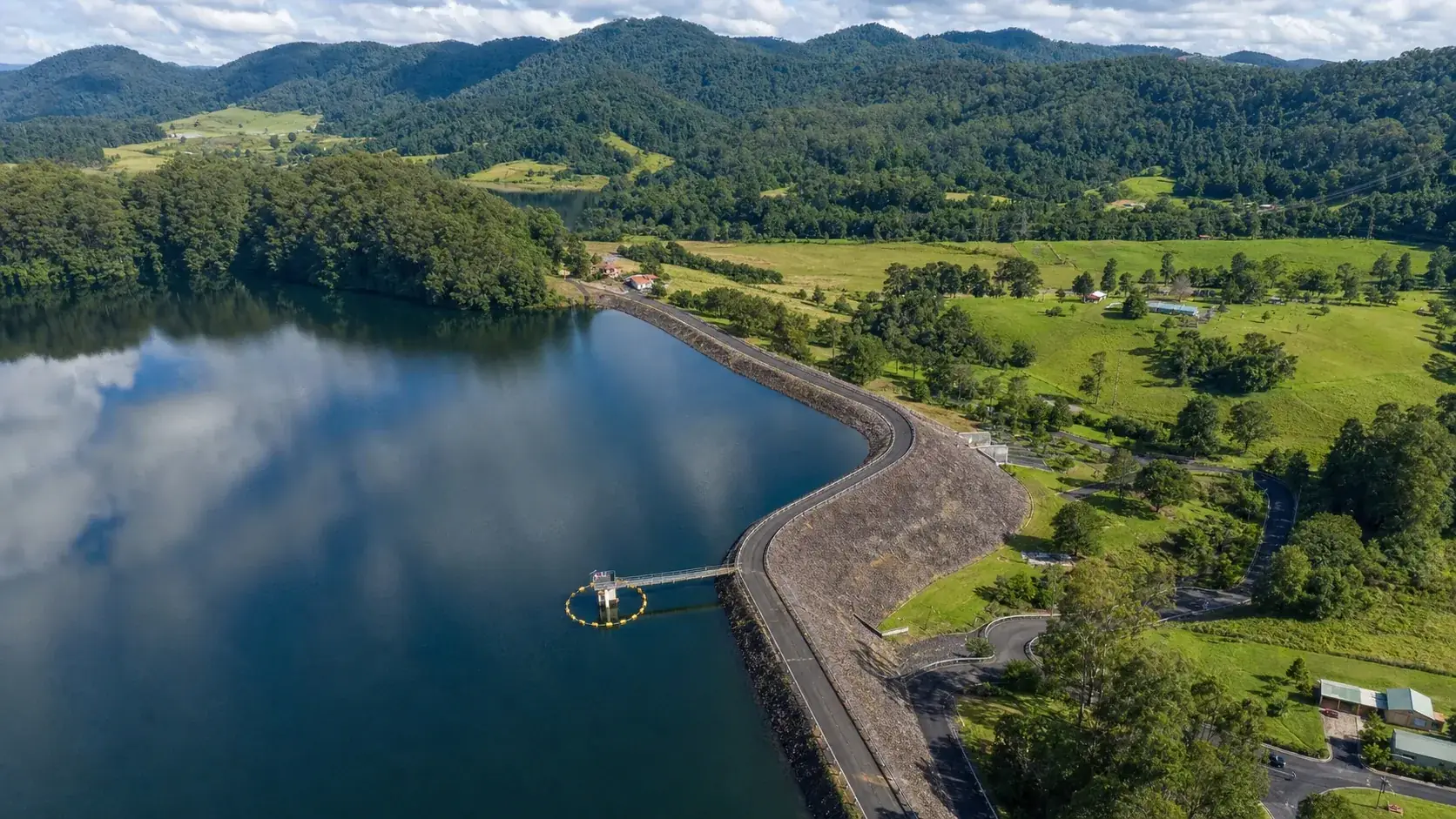
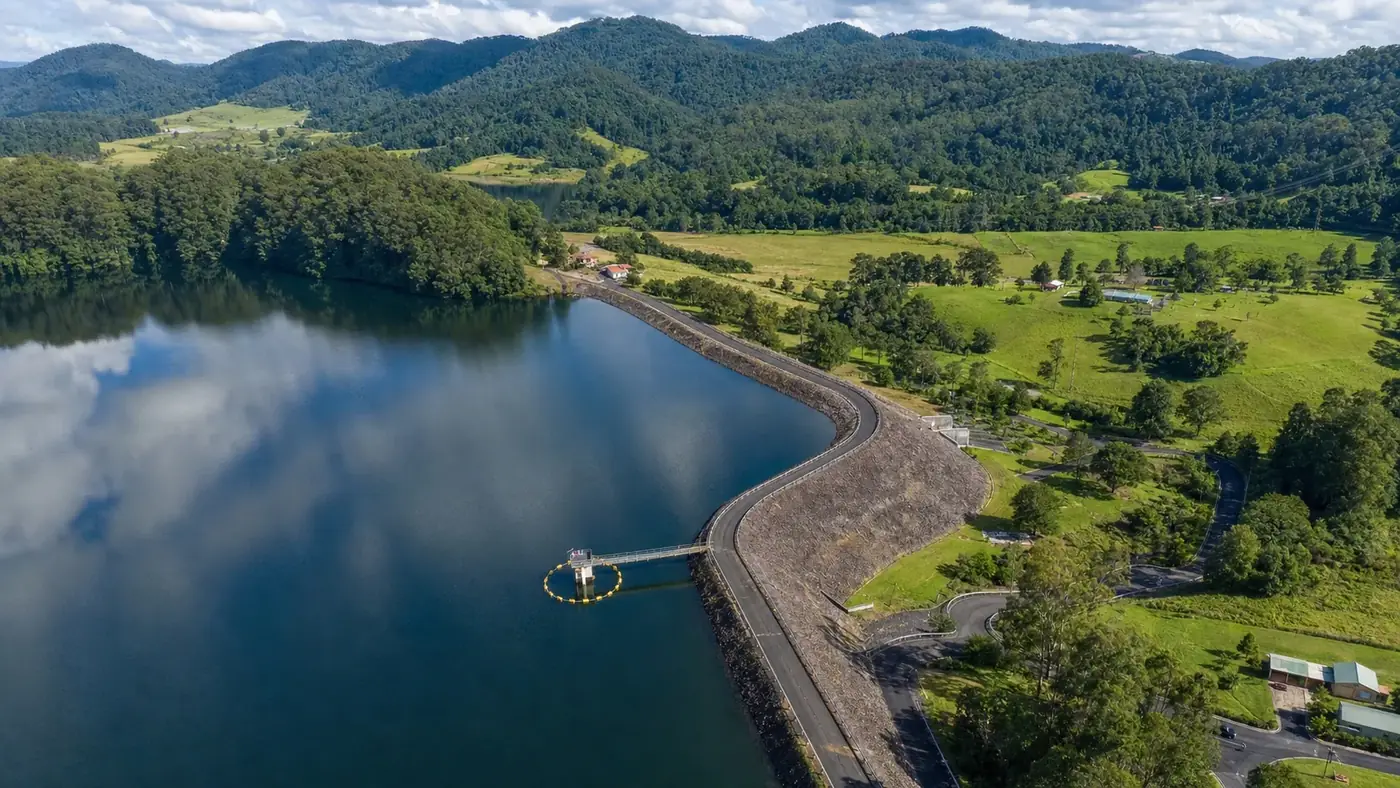
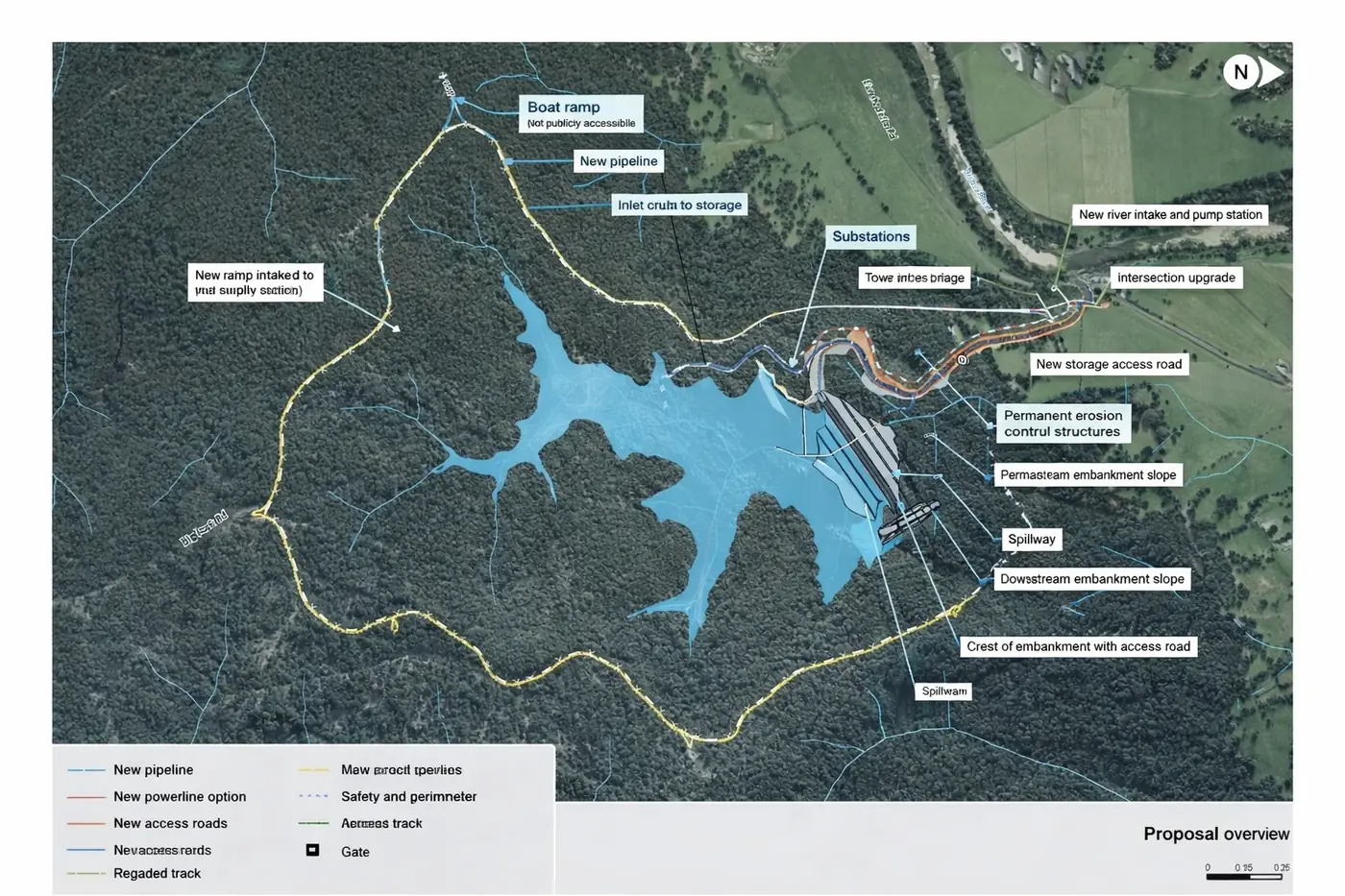
The Clarence Valley and Coffs Harbour Regional Water Supply Scheme is a major shared water infrastructure system linking the Nymboida River, Shannon Creek Dam and the bulk supply networks serving both council areas. As a long-life regional asset designed to secure water supply for a growing population, it required a structured risk assessment to identify operational, governance and system risks and support better joint decision-making across the scheme.
Read the case study — Catchment‑to‑Tap Risk Assessment

  • Water
  • Environment

Fish for the Future

Northern Basin Toolkit Feasibility (NSW Fisheries)

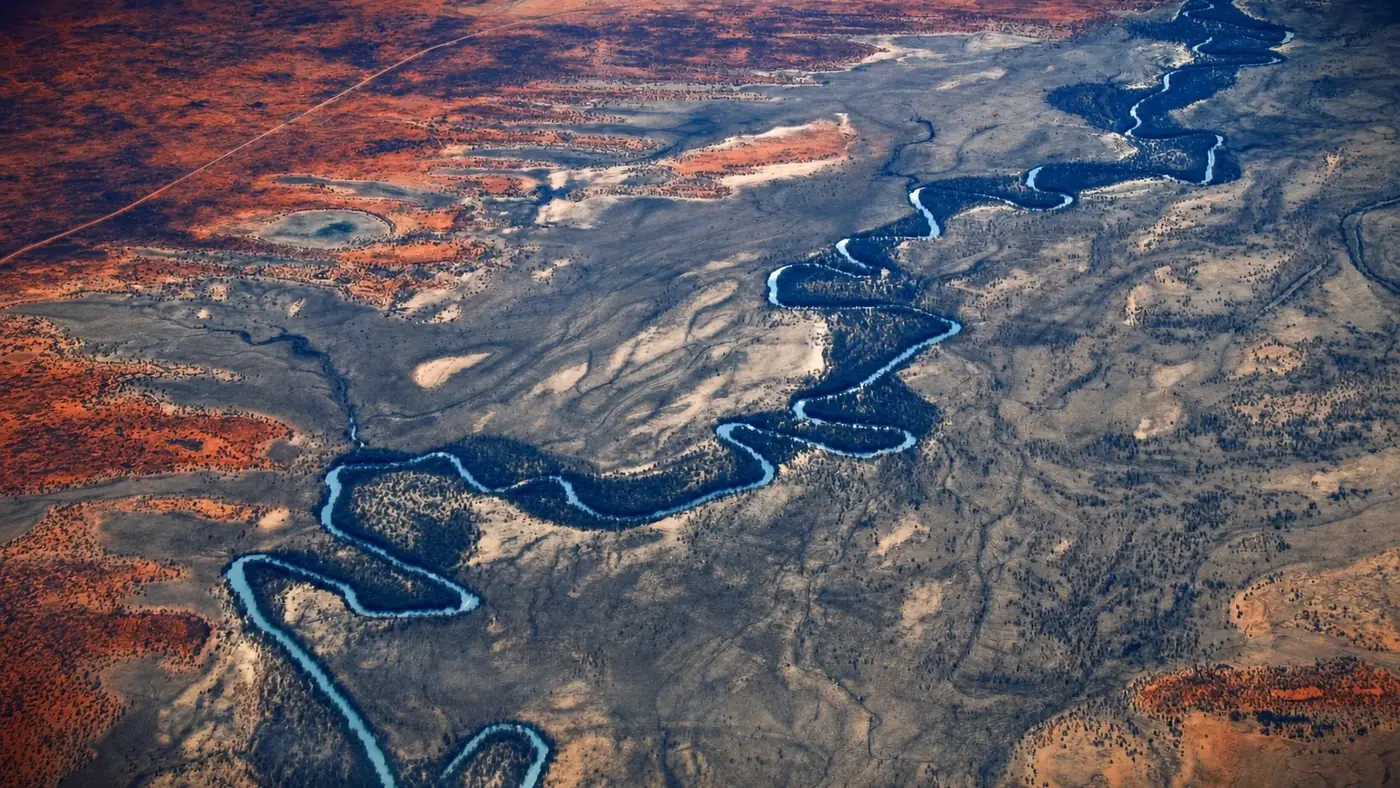
The Murray–Darling Basin Plan created a Northern Basin “toolkit” of non‑flow measures to complement water recovery and improve ecological outcomes, particularly for native fish. NSW Fisheries needed a feasibility proposal fora Fish for the Future Integrated Works Program that could secure Commonwealth investment by clearly demonstrating how a coordinated package of works would meet the Basin Plan’s environmental objectives and Northern Basin Review criteria.

Read the case study — Fish for the Future

  • Water
  • Environment

Murray Darling Basin Authority

Basin Plan Evaluation Framework and Program Logic

Following the Basin Plan’s commencement, the Murray–Darling Basin Authority (MDBA) needed a coherent evaluation framework to assess whether the Plan was achieving its environmental, social and economic objectives under the Water Act 2007. The task was to translate the Plan’s Chapters, Schedule 12 “Matters for evaluation and reporting”, and statutory Key Evaluation Questions into a practical, Basin‑wide system of program logic, indicators, data and methods that could guide annual, five‑yearly and ten‑yearly evaluations.

Read the case study — Murray Darling Basin Authority

  • Water
  • Environment

NSW Water for the Environment Program Evaluation

Systems evaluation environmental water management

The NSW Water for the Environment (WftE) Program manages environmental water across multiple river, wetland and floodplain systems to improve ecological condition, support regional livelihoods and uphold cultural values. After a decade of significant reform and two prior evaluations, the Department of Climate Change, Energy, the Environment and Water needed an independent evaluation of the 2019–2024 period that could credibly assess efficiency, equity and outcomes in a complex social–ecological system, and provide clear recommendations for the next phase.

Read the case study — NSW Water for the Environment Program Evaluation

  • Waste & circular economy
  • Water

Productive Use of Industrial Wastewater

Turning mill effluent into farm profit

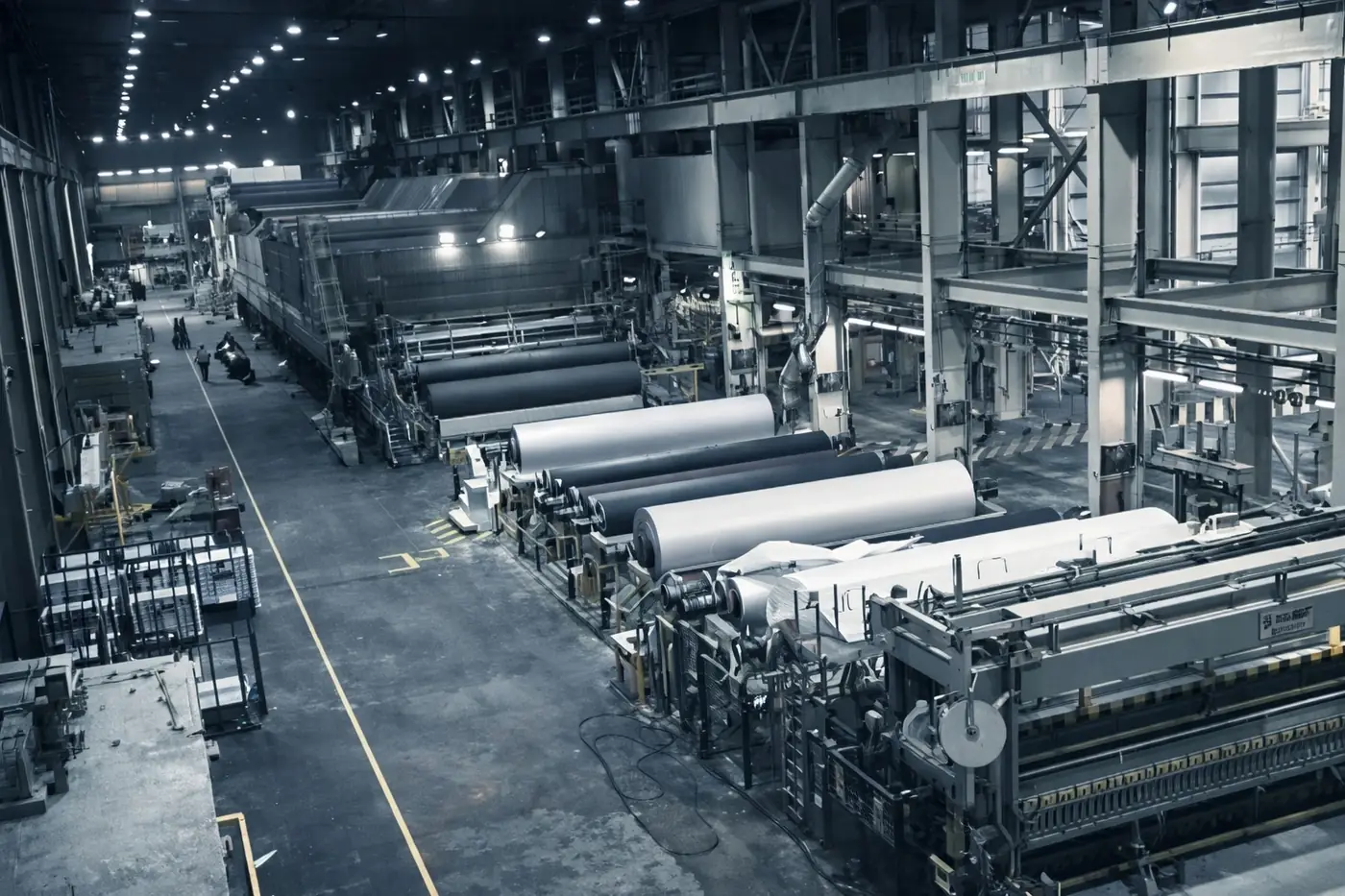
An industrial paper mill near Albury needed a lessee for its Maryvale and Rosevale farms who could safely and productively use treated wastewater for irrigation. After treatment, this wastewater is high in nitrogen and phosphorous. It cannot be disposed in the Murray River because it accelerates algal growth, leading to oxygen crashes and fish kills. Irrigation use with a strict and supervised program of growth and crash feeding is very successful in the right hands.

Read the case study — Productive Use of Industrial Wastewater

  • Water

WaterNSW

Audits of Sydney Water Catchment

The independent catchment audit report is direct to the responsible minister. It is designed to protect the health of the Sydney catchment to ensure reliable, quality drinking water for five million people of Sydney and the Illawarrra, Blue Mountains, Southern Highlands, Goulburn and Shoalhaven regions. The audit seeks to understand land use, businesses, industries, community groups, and public authorities within the catchment – all of whose actions can affect water quality.

Read the case study — WaterNSW

  • Water
  • Waste & circular economy
  • Environment

Wonga Wetlands

From Waste to Resource: Environmental Benefits

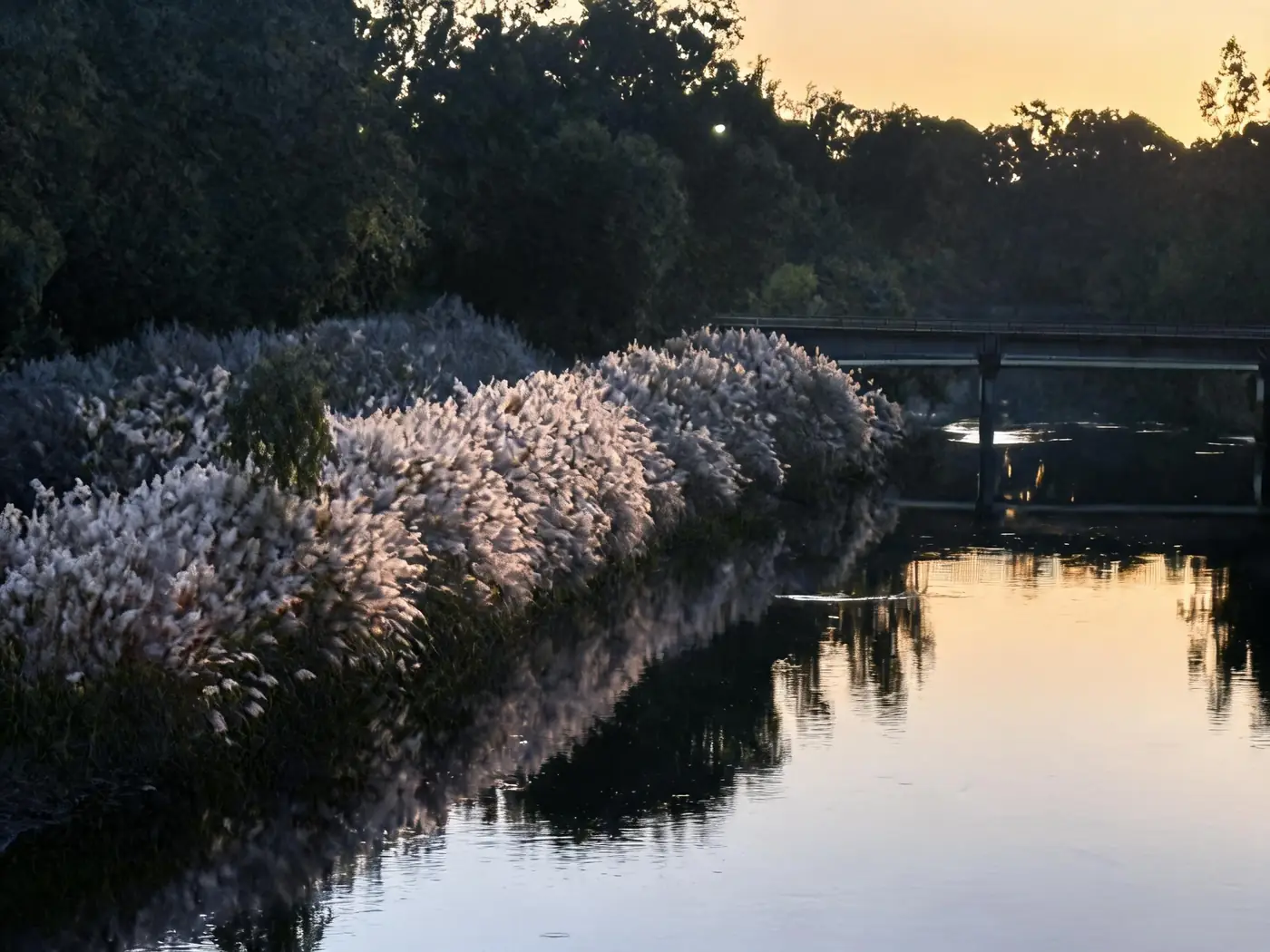
Downstream of Albury, Wonga Wetlands were developed to receive treated effluent from the city’s wastewater treatment plant, polishing the water and providing habitat, education and recreation opportunities. The challenge was to manage this system so that wastewater reuse, agricultural production and wetland values all reinforced rather than undermined each other, and to demonstrate that a working agricultural landscape could sit comfortably beside a high‑value wetland complex.

Read the case study — Wonga Wetlands